

10 Tips for Improving a Bad Mood
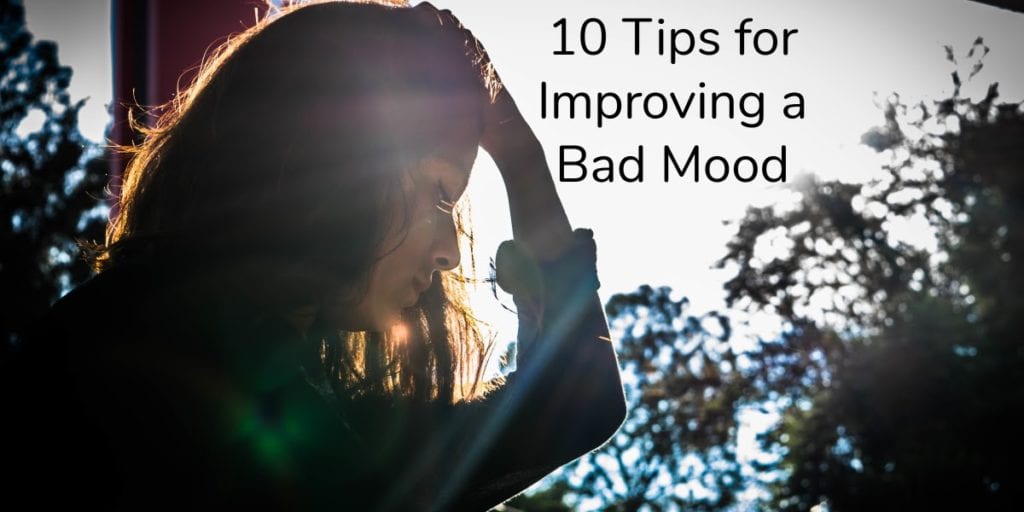
No matter how hard you fight it, it’s just a fact of life that everyone experiences bad moods from time to time.
Whether you didn’t sleep well the night before, someone cut you off in traffic on the drive to work, or you truly have no idea why you’re in a funk, being in a bad mood can be a self-perpetuating cycle if you don’t do something about it. The more you allow yourself to wallow in your bad mood, the worse your mood becomes.
If you want to nip your bad mood in the bud, here are 10 things you can try:
Go Outside
A little bit of fresh air and some sunlight can do wonders for a foul mood.
If it’s cold, put on your coat, gloves, and a hat and breathe in the crisp air. If it’s rainy, grab an umbrella and some rain boots and look at how the rain changes the way your surroundings look.
No matter the weather, stepping outside for even 5 minutes can help give you a boost that can last for a while.
Bonus – If it’s sunny outside, you’re using the daytime sunlight to help increase your body’s production of endorphins, which will further boost your mood!
Listen to Music
Have you ever heard a song on the radio and your mood has immediately changed? Maybe you were feeling perfectly fine until you heard a sad song, then suddenly you start thinking about a long-lost love or deceased family member.
Music has incredible powers to make us feel things just by listening, including brightening our moods when we’re down.
If you’re feeling crabby, put on some happy music and, if you can, dance around a bit. This gets your endorphins flowing and can elevate your mood long enough for you to get over the funk.
It can be helpful to create a mood-boosting playlist to have at the ready when the need strikes, too.
Get Your Sweat on
Exercise boosts endorphins, and endorphins help you feel happier.
If you’re able, try hitting the gym for a run, an aerobics class, or a weightlifting session. Not only are you doing great things for your body, you’re also doing great things for your mood.
Can’t make it to the gym? Try going for a walk outside, or do some simple bodyweight exercises – push-ups, lunges, and jumping jacks work well – in your office or home.
Even a short session can help you feel better and go through your day with a more positive attitude.
Journal
Sometimes, getting your thoughts and feelings down on paper can help you build perspective and find ways to solve problems.
If you find yourself in a bad mood, grab your favorite journal – or any piece of paper and pen, really – and just get everything out. Don’t edit what you say, don’t stop to fix your grammar and spelling, and don’t censor yourself.
Journaling can help you process your mood and negative thoughts, allowing you to distance yourself from the things you’re feeling in the moment. If you journal over a period of time, you can begin to see patterns in your thoughts, feelings, and even the conditions surrounding your bad moods.
What’s important here is putting pen to paper; journaling on a computer is less effective, so pull out a notebook and turn off the screens for a few minutes.
Give a Hug
Hugs have exceptional healing power and receiving one can automatically lift your mood.
But instead of waiting for someone to come up and hug you, go find someone to hug!
Not only do you get the physiological benefits of receiving the hug, but you’ve also helped give someone else a mood boost and may bring them out of a bad mood, too.
Meditate
Sometimes, it’s very easy to get caught up in your bad mood and how you’re feeling. This causes you to lose sight of the people and things going on around you, and keeps you from finding a solution to your problems.
If you’re in a bad mood, take some time to meditate – even just some deep breathing and mindfulness can help – in an effort to center yourself and refresh your thoughts.
As you meditate, focus on letting your thoughts, especially negative ones, pass right through your mind. Acknowledge them but do not dwell on them.
Regain Control
When you’re in a bad mood, it can feel as if everything is spinning out of control.
Focusing on some things that you actually can control, such as the clutter on your desk, what you’re having for dinner, or what route you take home from work can give you a sense of accomplishment and help you feel as if things aren’t as bad as they seem.
Identify a few things you can control – especially if those things are related to what’s putting you in a bad mood – and focus on them instead of everything else going on.
Take a Break
As long as you’re able to, put down whatever you’re doing and take a break.
Stepping outside of your routine, or the conditions that are putting you in a bad mood, can make all the difference.
Do something you enjoy, or treat yourself a little bit. Even something small, such as a bar of chocolate, a fancy coffee drink, or a cozy blanket with a book, can go a long way toward elevating your mood.
Give yourself a little grace to enjoy something and it may help you feel better.
Focus on the Good
A bad mood can easily perpetuate itself, where even something that wouldn’t be so terrible on a normal day can quickly get blown out of proportion.
Rather than focusing on what’s going wrong, try flipping it around and focusing on what’s right.
Even finding small things to be grateful for or happy about can help you continue looking for the good and pull you out of your bad mood.
If you have to, start writing down or taking photos of the things that make you happy. You can use these logs during future bad moods to show you that things can and do get better.
Try Bright Light Therapy
If you find yourself in a foul mood more often when it’s cold and dark, you may suffer from seasonal mood fluctuations.
Getting some extra light can help your body produce more endorphins, which contribute to a better mood. Sitting in front of a bright light therapy box for half an hour per day can help even out your mood and help you sleep better at night, which may decrease the amount of crabby days you experience.
As always, talk with your doctor before starting bright light therapy to determine if it’s right for you.
Your Online Resource for Bright Light Therapy Boxes
At the Sunbox Company, we want to help you find the right match for your bright light therapy. Our line of bright light therapy boxes can give you the Seasonal Affective Disorder treatment you need at home or away, giving you happier winters. Find your Sunbox today!